seasonal care routines for thriving koi fish in your pond
Koi fish are a beautiful addition to any garden pond, providing vibrant colours and dynamic movement to your outdoor space. To ensure these aquatic companions thrive, seasonal care routines are essential. The care they require will change with the seasons, and understanding these variations will keep your koi healthy and happy throughout the year.
Spring Preparations
As winter gives way to spring, it is crucial to prepare your pond for the warmer months. Start by cleaning the pond thoroughly to remove any debris that has accumulated during the colder season. This includes clearing out any leaves, twigs, or dead plants that can affect water quality. Use a pond net or a skimmer to make this task easier.
Next, check your filtration system and ensure it is functioning correctly. Replace any filters if needed, and consider adding beneficial bacteria to the water to help establish a healthy ecosystem. As the water temperature begins to rise, monitor it closely, as koi are sensitive to sudden changes.
Feeding Your Koi
Once the water temperature consistently reaches around 10 degrees Celsius, you can start feeding your koi. Begin with a high-quality wheat germ food, which is easier for them to digest after their winter fast. Gradually increase the amount of food as temperatures rise. Pay attention to how much your koi consume; overfeeding can lead to poor water quality.
People Also Look For:
- AllPondSolutions Pond Filter Pump 15000 L/H, Fully Submersible - Garden Koi Fish Waterfall Pump 6mm Solids Handling. 15000PP
- WINALOT Friday Suppers Mixed Variety Fish in Gravy Wet Dog Food 40x100g
- Koi Fish Greeting Card 145 x 145 mm Square – Japanese Art Design, Blank Inside – Birthday, Anniv...
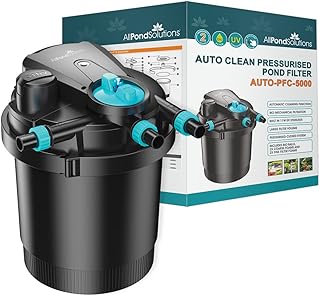
- allpondsolutions Auto Cleaning Pressurised Koi Fish Pond Filter with UV Steriliser Light All in One Complete Kit - Ponds Up to 200...
- CLYB Set of 2 Koi Fish Decor Outdoor Statues Sculptures Antique Copper Garden Pond Fish Art Metal Koi Fish Statue Outside Garden D...
Summer Maintenance
Summer brings the highest levels of activity for your koi. During this time, regular water testing becomes crucial to monitor pH, ammonia, nitrite, and nitrate levels. Ideally, pH should be between 7.0 and 8.0. If you find any levels are off, take action to rectify them promptly.
Additionally, ensure that your pond has adequate shade, as koi are susceptible to heat stress. Floating plants or an awning can provide the necessary cover. Keep an eye out for algae blooms during this time; if they occur, consider using pond treatments that are safe for fish.
Autumn Adjustments
As temperatures begin to cool in autumn, it is important to prepare your koi for the winter months. Start by gradually reducing their feeding as water temperatures drop below 15 degrees Celsius. Switch to a low-protein food designed for autumn feeding to help your koi build up their fat reserves.
Now is also the right time to check your filtration system again and clean it if necessary. Consider installing a pond heater or aerator to keep a portion of the pond surface ice-free during the cold months. This allows for gas exchange, which is vital for the health of your fish.
Winter Care
During winter, koi enter a state of dormancy, and their metabolic rate slows significantly. You may not need to feed them at all if the water temperature falls below 4 degrees Celsius. If temperatures fluctuate, you can provide a small amount of special winter koi food, but ensure it is quickly eaten to avoid water pollution.
Check the pond regularly for ice formation and ensure there is enough aeration. If you notice significant ice cover, remove some snow or use a pond heater to keep part of the surface open. This will help maintain oxygen levels in the water, essential for your koi's survival.
Monitoring Health
Throughout the year, keep a close watch on your koi for any signs of illness or distress. Look for symptoms such as abnormal swimming patterns, changes in appetite, or visible signs of disease. Early detection can save your fish and prevent issues from spreading to the rest of the pond.